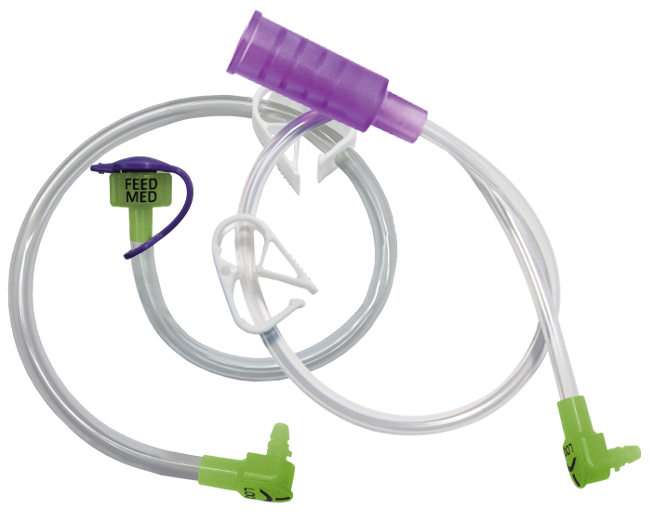
A nose feeding tube, also known as a nasogastric (NG) tube, is an essential medical device used to provide nutrition, hydration, and medications to patients who are unable to eat or drink orally. The tube is inserted through the patient’s nostrils, passes down the esophagus, and leads into the stomach.
This method is especially helpful for individuals who have difficulty swallowing, are recovering from surgery, or have conditions that impair their ability to consume food or liquids. In this article, we will explore what a nose feeding tube is, how it works, and the circumstances under which it is used.
What is a Nose Feeding Tube?
A nose feeding tube refers to the nasogastric tube (NG tube), which is a flexible, thin tube that is inserted through the nose and travels down the esophagus into the stomach. It is used for enteral feeding, a method of providing nutrients and fluids directly to the gastrointestinal tract when a patient cannot eat or drink normally. The NG tube can also be used for draining stomach contents, administering medications, and monitoring certain gastrointestinal conditions.
How Does a Nose Feeding Tube Work?
A nose feeding tube works by providing a direct pathway from the external environment to the stomach. Here’s a basic outline of how it functions:
- Insertion: The tube is inserted into one of the patient’s nostrils and gently threaded through the nasal cavity, down the esophagus, and into the stomach. The insertion process is generally quick, although it may cause some discomfort. The patient may be asked to swallow or drink to help guide the tube into place.
- Feeding: Once the tube is in place, a syringe or feeding pump can be connected to the proximal end of the tube to deliver liquid nutrition. This can include formula, water, or medications, depending on the patient’s needs.
- Drainage: If needed, the NG tube can also be used to drain stomach contents, including gastric fluids, bile, or food remnants. This may be necessary for patients with gastrointestinal issues such as bowel obstructions or nausea.
When is a Nose Feeding Tube Used?
Nose feeding tubes are typically used for short-term feeding support. They are appropriate in various medical situations where a patient is unable to ingest food or fluids orally. Some common scenarios include:
- Post-Surgery Recovery: After surgery, especially in cases involving the mouth, throat, or gastrointestinal tract, patients may be temporarily unable to swallow or eat. A nose feeding tube provides the necessary nutrients while the patient recovers.
- Neurological Disorders: Conditions such as stroke, Parkinson’s disease, or amyotrophic lateral sclerosis (ALS) can impair the ability to swallow, making a feeding tube necessary to ensure adequate nutrition.
- Gastrointestinal Conditions: For patients with conditions like gastroparesis, gastroesophageal reflux disease (GERD), or a bowel obstruction, a nose feeding tube helps bypass the stomach and provide nutrition directly to the intestines.
- Temporary Difficulty Eating: Some patients may temporarily lose the ability to eat due to illness, injury, or treatment (e.g., chemotherapy or radiation therapy). A nasal feeding tube ensures they can still receive essential nutrients during recovery.
The Procedure for Inserting a Nose Feeding Tube
Inserting a nose feeding tube is a relatively simple and minimally invasive procedure typically performed by a healthcare professional. Here are the basic steps involved:
- Preparation: The patient is usually asked to sit upright to make the insertion process easier and more comfortable. The healthcare provider may clean the nostril and surrounding area before beginning the procedure.
- Insertion: The tube is gently inserted into one of the patient’s nostrils. The provider will guide it through the nasal passage and down the back of the throat. The patient may be instructed to swallow or sip water to help the tube pass smoothly into the esophagus.
- Verification: After the tube is in place, the healthcare provider will verify its correct positioning. This is typically done by:
- Auscultation: Listening for a “whooshing” sound as air is injected into the tube.
- X-ray: A more accurate method that confirms the tube’s position in the stomach or small intestine.
- pH Testing: A sample of stomach content can be aspirated and tested to ensure the tube is in the correct location.
- Securing the Tube: Once the tube is in place, it is secured to the patient’s nose with medical tape to keep it in position and prevent movement or discomfort.
Benefits of a Nose Feeding Tube
The nasogastric tube provides numerous benefits for patients who cannot eat or drink normally:
- Temporary Solution: The NG tube offers a short-term solution for patients who have temporary feeding difficulties due to surgery, illness, or recovery.
- Nutritional Support: The tube ensures that patients receive the necessary nutrition, hydration, and medications directly into the stomach, helping to prevent malnutrition and dehydration.
- Safe and Non-Invasive: Unlike surgical feeding tubes, the nasogastric tube is non-invasive and typically does not require anesthesia, making it a less risky option for short-term feeding.
- Easier to Remove: The tube can be removed once the patient is able to resume normal eating, making it a flexible solution for patients with temporary conditions.
Risks and Complications
While the nose feeding tube is generally safe, there are some potential risks and complications:
- Discomfort and Irritation: The tube may cause irritation in the nose, throat, or esophagus, especially if it is in place for an extended period. Regular monitoring and proper care can help reduce these issues.
- Dislodgement: The tube may become dislodged, requiring re-insertion. This can happen if the patient coughs, sneezes, or moves suddenly.
- Aspiration: If the tube is not placed correctly, there is a risk that food or liquids may enter the lungs, causing aspiration pneumonia. Proper placement verification is crucial to prevent this.
- Sinus or Nasal Infections: Prolonged use of a nasal feeding tube can increase the risk of sinus infections or nasal irritation. Regular cleaning of the nasal area and monitoring of the tube’s condition can help prevent infections.
Care and Maintenance of a Nose Feeding Tube
Proper care is essential to ensure that the feeding tube remains effective and free from complications. Here are some key maintenance tips:
- Flushing the Tube: To prevent blockages, the tube should be flushed with water before and after each feeding, medication administration, or at regular intervals as advised by the healthcare provider.
- Checking Placement: The tube should be checked periodically to ensure it has not moved or become dislodged.
- Cleaning the Nasal Area: The skin around the nose should be cleaned regularly to prevent irritation or infection from the tube.
- Monitoring for Infection: Be on the lookout for signs of infection, such as fever or redness at the insertion site, and contact a healthcare provider if these symptoms occur.
Conclusion
A nose feeding tube (nasogastric tube) is a critical tool in providing nutrition, hydration, and medications to patients who are unable to eat or drink. Whether used temporarily after surgery or in patients with swallowing difficulties, the NG tube offers a non-invasive solution that ensures patients can receive the essential nutrients needed for recovery and overall health. By understanding its parts, functions, and proper care, patients, caregivers, and healthcare providers can ensure the safe and effective use of the nasogastric tube.
Share this post: on Twitter on Facebook