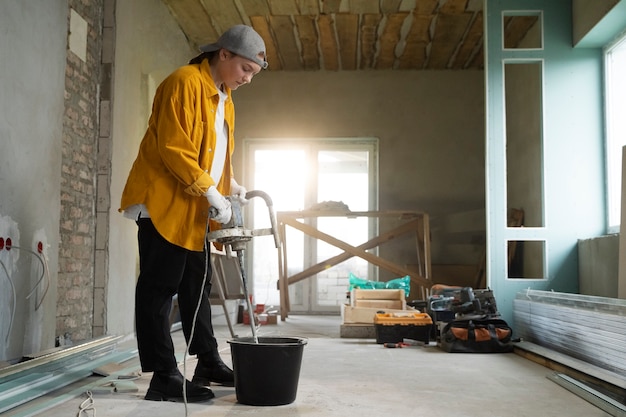
Concrete waterproofing is an essential aspect of property maintenance, offering a shield against water damage that can compromise both structural integrity and aesthetic appeal. With climate change leading to more frequent and intense weather events, the need for effective waterproofing solutions has never been more critical. Understanding the importance of expert concrete waterproofing can help property owners make informed decisions to protect their investments.
The Necessity of Concrete Waterproofing
Concrete structures, while robust, are not impervious to water. Over time, exposure to moisture can lead to a host of problems such as:
- Cracking and spalling due to freeze-thaw cycles
- Corrosion of reinforcing steel
- Mold and mildew growth
- Degradation of interior finishes
These issues underscore the importance of implementing a reliable waterproofing strategy. To discover expert strategies here is crucial for maintaining the longevity and durability of concrete structures.
Types of Waterproofing Techniques
Cementitious Waterproofing
Cementitious waterproofing is one of the simplest methods, using a mix of cement-based products to create a waterproof barrier. This method is suitable for areas that are not exposed to direct sunlight or movement, such as internal walls.
Liquid Waterproofing Membrane
This method involves applying a liquid coating that cures to form a rubbery, waterproof membrane. It’s flexible and can be applied to a variety of surfaces. Learn about our tailored solutions for applying liquid membranes in complex environments.
Bituminous Coating
Often used for residential waterproofing, bituminous coatings are effective in protecting foundations and roofs. It is an excellent solution for areas prone to water pooling and is highly resistant to weathering.
Polyurethane Liquid Membrane
Polyurethane liquid membranes offer high elasticity and durability, making them suitable for areas with high moisture exposure. They are particularly effective for waterproofing flat roofs and balconies.
Choosing the Right Waterproofing Solution
Selecting the appropriate waterproofing method involves evaluating several factors, including:
- The specific area and its exposure to moisture
- Structural movement and settling
- Climate and environmental conditions
- Budget considerations
Consulting with professionals to find out more about this approach ensures that the solution is tailored to meet the specific needs of the property.
Long-term Benefits of Waterproofing
Investing in concrete waterproofing offers numerous long-term benefits:
- Enhances the lifespan of structures by preventing deterioration
- Maintains property value by preserving structural integrity
- Reduces maintenance costs by minimizing repair needs
- Improves indoor air quality by preventing mold and mildew
Property owners can explore advanced guides and tips to further understand the impact of waterproofing on property sustainability.
Conclusion
Effective concrete waterproofing is a vital component of property maintenance and protection. By choosing the right waterproofing strategy and seeking guidance from experts, property owners can safeguard their investments against the damaging effects of water. For those looking to secure their property’s future, explore advanced guides and tips to learn more about innovative waterproofing solutions.