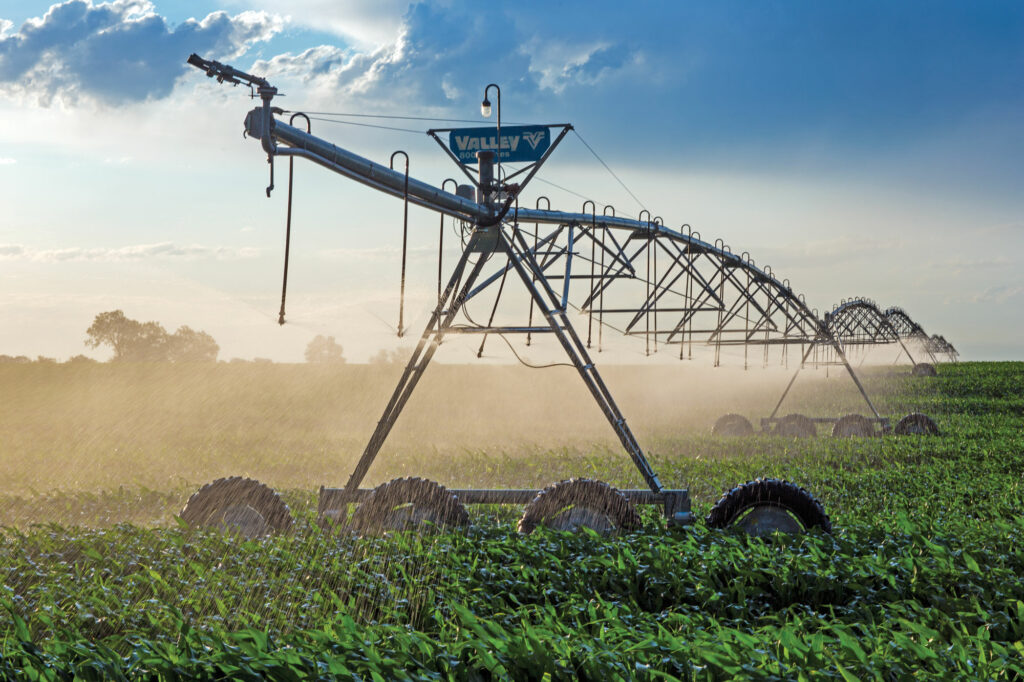
In the ever-evolving landscape of agriculture, efficiency and precision have become pivotal in ensuring resource optimization and sustainability. One advancement that stands out in this regard is the remote control irrigation controller. These devices have revolutionized water management, allowing farmers and agricultural professionals to monitor and control irrigation systems remotely, thereby saving time, water, and labor costs. This article delves into how these innovative systems can maximize efficiency in agricultural operations.
Understanding Remote Control Irrigation Systems
Remote control irrigation controllers are advanced technological solutions designed to streamline water management processes. These systems allow users to control irrigation schedules, monitor water usage, and receive real-time alerts directly from their smartphones or computers. By integrating these controllers into agricultural practices, farmers can achieve greater precision and flexibility in their water management strategies.
Key Features and Benefits
- Real-Time Monitoring: Provides immediate feedback on irrigation system performance and environmental conditions.
- Remote Accessibility: Control irrigation systems from any location with internet connectivity.
- Automated Scheduling: Create and modify irrigation schedules based on weather forecasts and soil moisture levels.
- Water Conservation: Optimize water usage by adjusting irrigation based on real-time data.
- Labor Savings: Reduce the need for manual monitoring and adjustments, allowing for more efficient resource allocation.
For those interested in implementing these systems, it is important to discover expert strategies here to fully leverage their capabilities.
Implementing a Remote Control Irrigation Controller
The implementation of a remote control irrigation system involves several key steps. Proper planning and execution are crucial to maximizing the benefits of these advanced technologies.
Initial Assessment and Planning
Before installation, it is essential to conduct a comprehensive assessment of the current irrigation infrastructure. This includes:
- Evaluating existing equipment and its compatibility with remote systems.
- Identifying areas where water usage can be optimized.
- Determining the specific features and capabilities needed in the remote control system.
For more detailed guidance on this process, you can learn about our tailored solutions to ensure a smooth transition.
Installation and Integration
Once the planning phase is complete, the next step is the installation and integration of the remote control system. This involves:
- Installing the necessary hardware and software components.
- Configuring the system to connect with existing networks and devices.
- Training staff on the operation and maintenance of the new system.
It is advisable to explore advanced guides and tips to facilitate a seamless integration process.
Maximizing the Efficiency of Remote Control Irrigation
To fully exploit the potential of remote control irrigation systems, it is crucial to focus on ongoing management and adaptation. Here are some strategies to enhance efficiency:
- Regular Monitoring and Adjustments: Continuously monitor system performance and make necessary adjustments to schedules and settings.
- Data Analysis: Utilize data collected from the system to identify trends and make informed decisions on water usage.
- System Maintenance: Regularly maintain and update the system to ensure optimal functionality and reliability.
To stay informed about the latest trends and techniques, find out more about this approach and how it can benefit your agricultural practices.
In conclusion, remote control irrigation controllers represent a significant leap forward in agricultural technology, offering numerous benefits in terms of efficiency, resource management, and cost savings. By carefully selecting, implementing, and managing these systems, agricultural professionals can significantly enhance their operations and contribute to a more sustainable future.