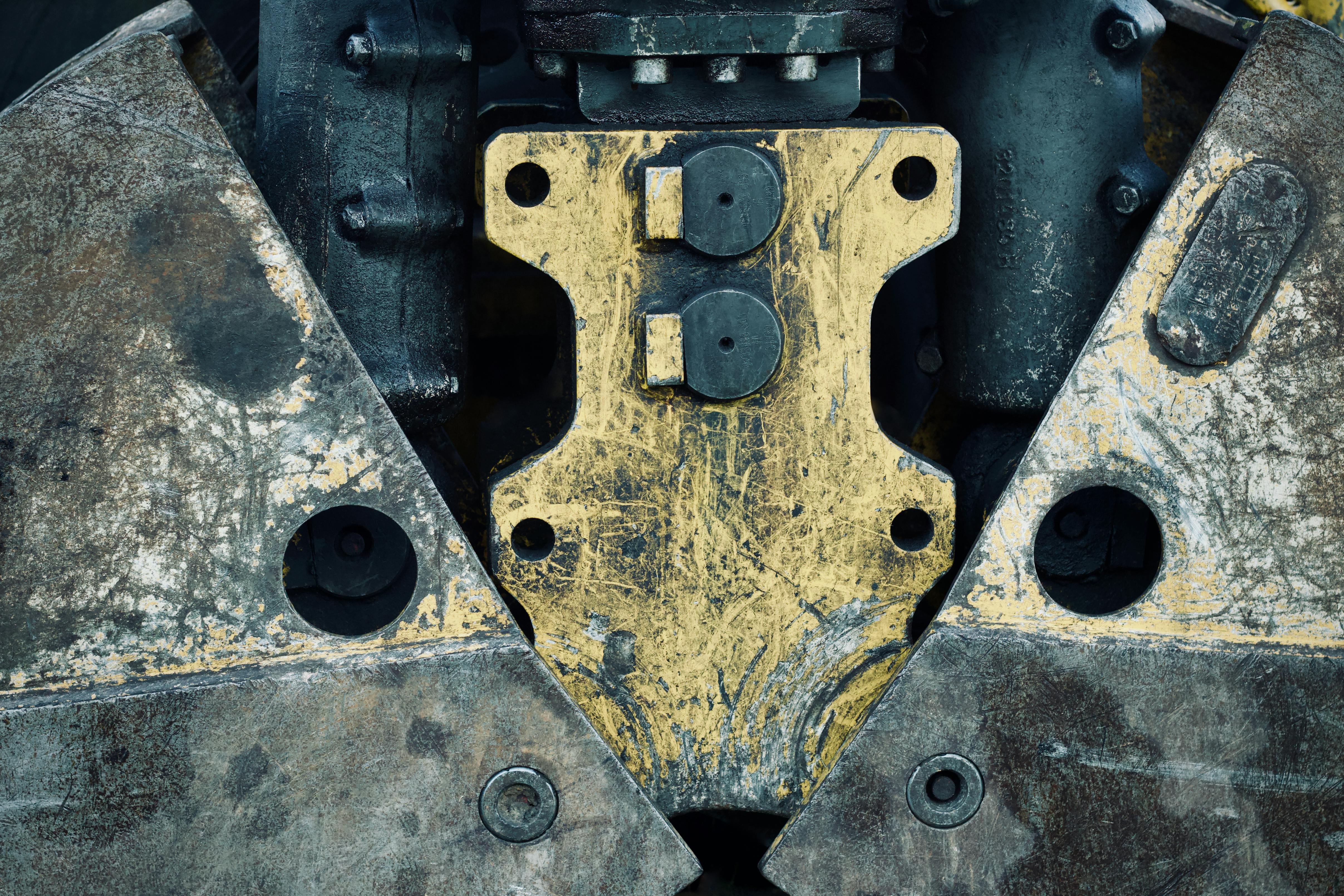
Maintaining the operational efficiency of heavy equipment is crucial for industries ranging from construction to mining. When a critical component fails, the immediate challenge is finding a replacement part that is both reliable and affordable. The landscape of heavy equipment replacement parts offers a multitude of options, from original equipment manufacturer (OEM) parts to aftermarket solutions, each with its own set of advantages. Understanding these options can significantly impact the cost-effectiveness and performance of equipment maintenance strategies.
Understanding OEM Parts
Original Equipment Manufacturer (OEM) parts are supplied by the equipment’s original producer. These parts are designed to match precisely with the original components of the machinery, ensuring compatibility and reliability. However, the cost associated with OEM parts is usually higher, which can significantly impact the maintenance budget.
Benefits of OEM Parts
- Guaranteed compatibility and performance.
- Comprehensive warranty support.
- High-quality manufacturing standards.
While OEM parts are often the go-to for reliability, exploring alternative options can yield cost savings without compromising on performance. Discover expert strategies here for integrating OEM parts in a cost-effective manner.
Exploring Aftermarket Parts
Aftermarket parts offer a viable alternative to OEM components, often at a fraction of the cost. These parts are produced by third-party manufacturers and can vary widely in terms of quality and performance. Thus, careful selection is crucial when opting for aftermarket solutions.
Advantages of Aftermarket Parts
- Significantly lower costs compared to OEM parts.
- Wide availability and variety.
- Possibility of enhanced features or materials.
For those interested in aftermarket parts, a comprehensive understanding of product specifications and supplier reputation is key. Learn about our tailored solutions to ensure you select the right aftermarket parts for your equipment needs.
Rebuilt and Refurbished Parts
Rebuilt and refurbished parts represent another cost-effective solution for replacing heavy equipment components. These parts have been restored to operational condition, often involving the replacement of worn or faulty components.
Key Benefits of Rebuilt Parts
- Lower cost than new parts while maintaining quality.
- Environmentally friendly option through reuse and recycling.
- Availability of warranty options from reputable suppliers.
The decision to use rebuilt parts should be guided by the quality of the refurbishment process and the reputation of the supplier. Explore advanced guides and tips to evaluate the suitability of rebuilt parts for your equipment.
Strategic Sourcing Tips
Finding affordable heavy equipment replacement parts requires strategic sourcing. This involves evaluating suppliers, comparing costs, and understanding the trade-offs between different types of parts.
Effective Sourcing Strategies
- Leverage online marketplaces to compare prices and reviews.
- Establish relationships with multiple suppliers to ensure competitive pricing.
- Consider bulk purchasing for commonly used parts to reduce costs.
Implementing these strategies can streamline the procurement process and reduce costs significantly. Find out more about this approach for optimizing your sourcing strategy.
In conclusion, while the cost of OEM parts can be prohibitive, the aftermarket, rebuilt, and refurbished parts markets offer viable alternatives that can meet both budget and quality requirements. By carefully evaluating the options, industries can maintain their heavy equipment efficiently without incurring excessive costs. For more information on selecting the right replacement parts for your heavy equipment, explore advanced guides and tips available online.