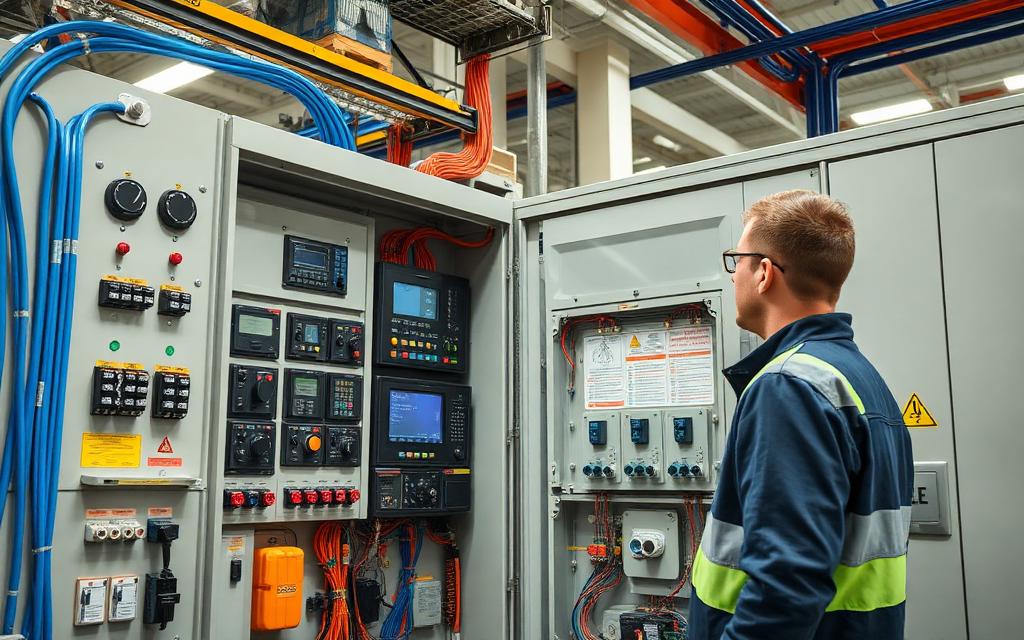
Efficient facility transition is an integral part of any organizational change, whether due to expansion, downsizing, or relocation. Smooth facility transition services are designed to ensure a seamless shift from one location or operational setup to another, minimizing disruptions and maintaining productivity. This process involves detailed planning, coordination, and execution by experts who understand the complexities involved in managing such transitions. By leveraging these services, organizations can focus on their core operations while experienced professionals handle the logistics of the move.
Understanding Facility Transition
Facility transition refers to the process of moving from one operational environment to another. This can include changing physical locations, modifying existing setups, or integrating new technologies. The primary goal is to ensure continuity of operations and minimize downtime. Learn more in this detailed guide about how transitions can be managed effectively.
Key Components of Facility Transition Services
- Project Management: Experienced project managers oversee the entire transition process, ensuring all tasks are completed on time and within budget.
- Risk Assessment: Identifying potential risks and developing strategies to mitigate them is crucial to avoid unexpected challenges during the transition.
- Space Planning: Efficient use of space is essential for operational success. This involves designing layouts that maximize productivity and comfort.
- Technology Integration: Upgrading or integrating new technologies can be a significant part of facility transitions. This ensures that all systems are up-to-date and compatible with current needs.
- Logistics Coordination: Coordinating the physical movement of equipment and infrastructure with minimal disruption to ongoing operations is a key aspect of these services.
For more detailed insights on each of these components, explore further insights here.
Benefits of Professional Facility Transition Services
Engaging with professional facility transition services offers numerous advantages to organizations undergoing change:
- Reduced Downtime: Expert planning and execution minimize operational interruptions, allowing organizations to maintain productivity.
- Cost Efficiency: Proper management of resources and schedules helps control costs and avoid unnecessary expenditures.
- Expertise and Experience: Professionals bring specialized knowledge and skills, ensuring all aspects of the transition are handled efficiently.
- Customized Solutions: Tailored strategies are developed to meet the specific needs and goals of each organization.
To find additional information on how these benefits can be realized, read more about this topic.
Challenges in Facility Transition
While facility transitions offer several benefits, they also come with their own set of challenges:
- Complex Coordination: Managing the numerous moving parts of a facility transition requires meticulous coordination.
- Communication Barriers: Ensuring clear and consistent communication across all stakeholders is essential to avoid misunderstandings.
- Adapting to Change: Employees and management may face difficulties adapting to new environments or technologies.
These challenges can be effectively managed with the right strategies and professional expertise. Find additional information here on overcoming potential hurdles in facility transitions.
Conclusion
In today’s dynamic business environment, facility transitions are inevitable. Organizations must be prepared to handle such changes efficiently and effectively. By leveraging professional facility transition services, organizations can ensure a smooth, streamlined process that aligns with their strategic goals and operational needs. The key lies in understanding the complexities involved, planning meticulously, and executing with precision. Explore further insights here to understand how to navigate facility transitions successfully.