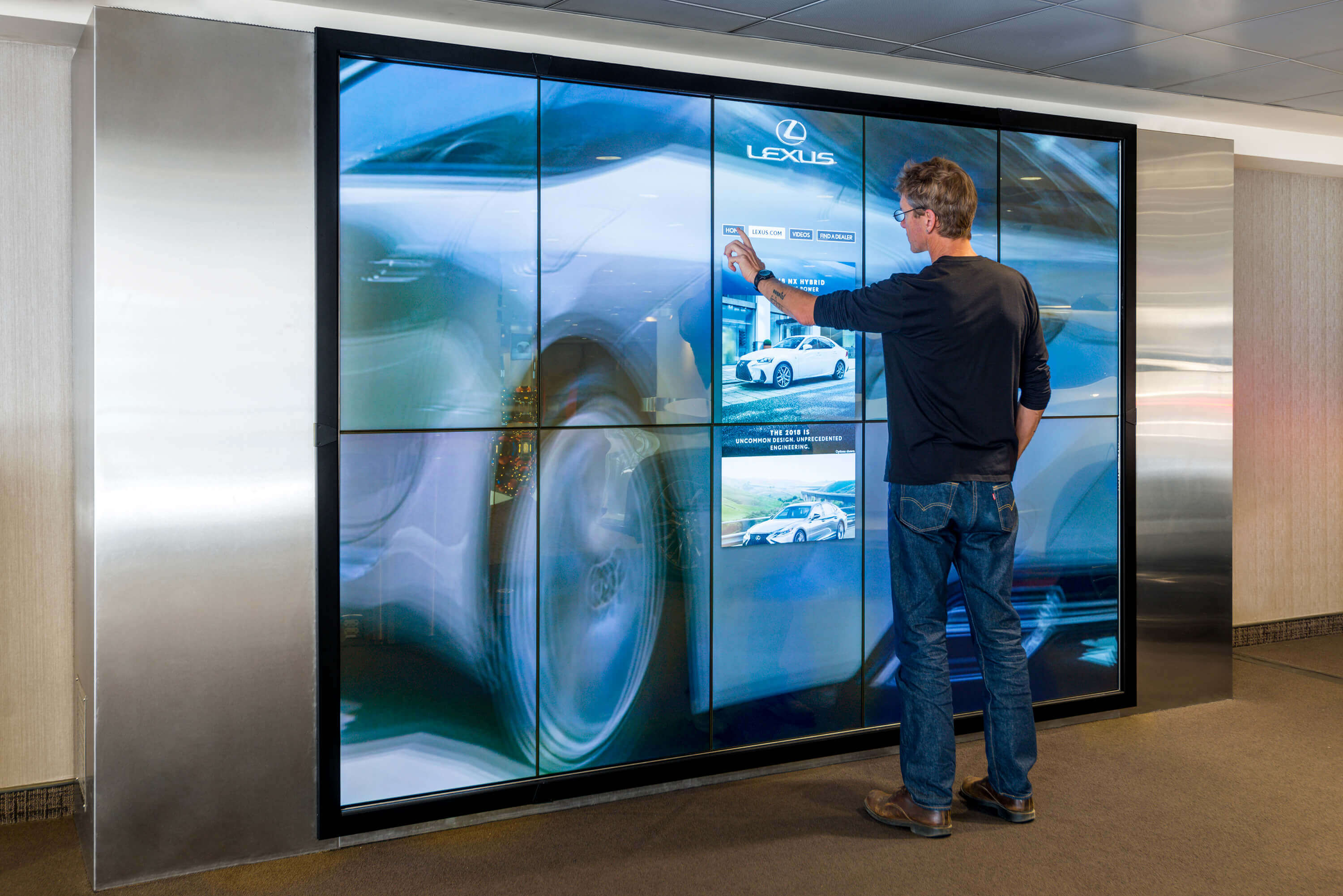
In today’s fast-paced digital world, marketing strategies are evolving rapidly, and businesses are constantly seeking innovative methods to capture consumer attention. One of the most compelling tools to emerge in recent years is the use of digital signage displays. These dynamic displays have transformed the way businesses communicate with their audiences, offering a visually engaging platform that can be tailored to meet specific marketing objectives. The impact of digital signage on modern marketing strategies is profound, influencing everything from brand visibility to customer engagement.
The Rise of Digital Signage in Marketing
Digital signage has become an integral part of the marketing landscape due to its ability to deliver eye-catching content in real-time. Unlike traditional static displays, digital signage offers flexibility and adaptability, allowing businesses to update content swiftly and efficiently. This technology is especially beneficial for:
- Creating immersive brand experiences that capture consumer interest.
- Delivering targeted messages tailored to specific demographics.
- Enhancing customer interaction through interactive touchscreens.
- Providing real-time information updates, such as promotions or announcements.
Enhancing Consumer Engagement
One of the significant advantages of incorporating a digital display into marketing strategies is the enhancement of consumer engagement. Digital signage displays are designed to be visually captivating, utilizing high-definition graphics and animations that attract attention. This visual appeal is crucial in environments with high foot traffic, such as retail stores, airports, and shopping malls, where capturing consumer attention can lead to increased footfall and sales.
Advantages Over Traditional Advertising
The dynamic nature of digital signage provides several advantages over traditional advertising methods. These include:
- Cost-Effectiveness: While the initial investment in a digital signage display may be higher, the ability to update content remotely and frequently reduces the costs associated with printing and distributing traditional materials.
- Environmental Impact: Digital displays reduce the need for paper and other resources, aligning with sustainable business practices.
- Measurement and Analytics: Digital signage can integrate with analytics tools, providing valuable insights into consumer behavior and campaign effectiveness.
Innovative Applications in Various Industries
Digital signage is not limited to retail environments. It spans multiple industries, each finding unique applications that enhance their marketing efforts:
- Hospitality: Hotels and restaurants use digital displays to showcase menu items, promote events, and provide wayfinding information.
- Healthcare: Clinics and hospitals utilize digital signage to communicate important health information, reducing perceived wait times and improving patient satisfaction.
- Education: Universities and schools implement digital signage for announcements, event promotions, and interactive learning experiences.
Challenges and Considerations
While the benefits of digital signage are significant, there are challenges and considerations that businesses must address. These include:
- The need for a reliable content management system to ensure timely updates.
- Consideration of screen placement and visibility to maximize impact.
- Ensuring content is relevant and engaging to avoid ‘digital fatigue’.
Businesses looking to integrate digital signage into their marketing strategies must also consider their audience’s specific needs and preferences to ensure that the content delivered is both impactful and relevant.
The Future of Digital Signage in Marketing
As technology continues to advance, the applications and capabilities of digital signage will likely expand. Innovations such as augmented reality, artificial intelligence, and advanced analytics are poised to enhance the effectiveness of digital displays further. Businesses that leverage these technologies will be well-positioned to create more personalized and engaging consumer experiences, ultimately driving brand loyalty and growth.
In conclusion, the integration of digital signage into modern marketing strategies offers a multitude of benefits that can significantly enhance brand visibility and consumer engagement. By embracing this dynamic technology, businesses can stay ahead in the competitive market and effectively reach their target audience.