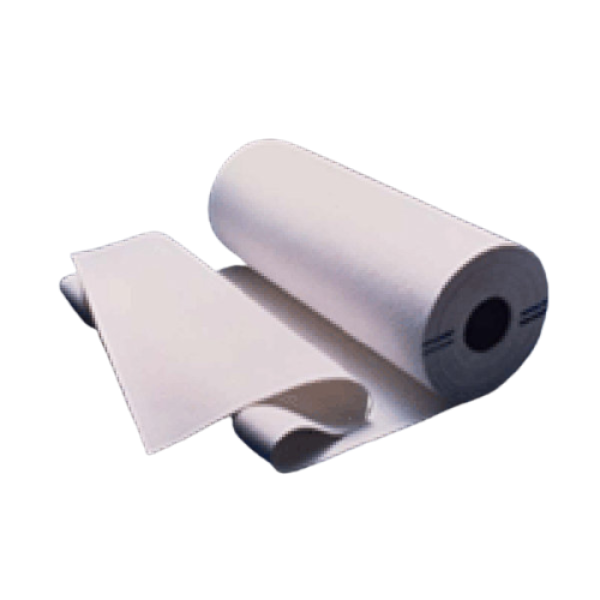
Kiln paper is an essential component in the ceramics firing process, ensuring that your artistic creations are protected and able to achieve their best results. Whether you’re a seasoned professional in the ceramics industry or an enthusiastic hobbyist, understanding the nuances of kiln paper can elevate your work. This article delves into the practical applications and benefits of kiln paper, providing essential tips for successful ceramics firing. The focus is on helping you optimize your firing process for outstanding outcomes.
Understanding Kiln Paper
Kiln paper, often referred to as shelf paper, is used to line kiln shelves, offering a barrier between the ceramic piece and the kiln. This protective layer prevents glaze drips or pieces from sticking to the shelf, thereby reducing the risk of damage.
Types of Kiln Paper
- Standard Kiln Paper: A basic option for general ceramics firing, ideal for straightforward projects.
- High-Temperature Kiln Paper: Perfect for higher temperature firings and more intricate designs requiring added protection.
- Fiberfrax Kiln Paper: Known for its durability and versatility, suitable for both glass and ceramics. Find out more about this approach.
Benefits of Using Kiln Paper
Incorporating kiln paper into your firing routine offers several advantages:
- Prevents Sticking: Kiln paper acts as a barrier, preventing pieces from adhering to the shelf.
- Reduces Shelf Maintenance: It helps in keeping kiln shelves clean, minimizing the need for frequent maintenance.
- Enhances Finish Quality: Ensures a smooth bottom surface on your ceramics, free from blemishes.
Tips for Successful Firing with Kiln Paper
Preparation and Placement
Proper preparation and placement of kiln paper are crucial for achieving optimal results:
- Cut to Fit: Trim the kiln paper to match the size of your kiln shelf. Ensure there is no overhang, which could interfere with the firing process.
- Flat Surface: Lay the paper flat, ensuring it is free from wrinkles that might affect the uniformity of the heat transfer.
- Secure Edges: Use a small amount of kiln wash to secure the edges, preventing the paper from shifting during firing.
Optimal Firing Practices
Optimize your firing practices to enhance the effectiveness of kiln paper:
- Temperature Control: Monitor the kiln temperature closely to avoid overheating, which could compromise the integrity of the kiln paper.
- Layering Techniques: For complex firings, consider layering kiln paper to provide additional protection. Explore advanced guides and tips.
- Post-Firing Care: After firing, allow the kiln to cool gradually to prevent thermal shock. Remove the paper gently to avoid damage to the ceramics.
Conclusion
Mastering the use of kiln paper is pivotal in achieving high-quality ceramics. By applying the tips and techniques discussed, you can enhance your firing outcomes and maintain the longevity of your kiln shelves. Whether using standard or specialized options like Fiberfrax Kiln Paper, understanding the nuances of kiln paper will help you navigate the firing process with confidence. Discover expert strategies here to continue elevating your ceramics craft.